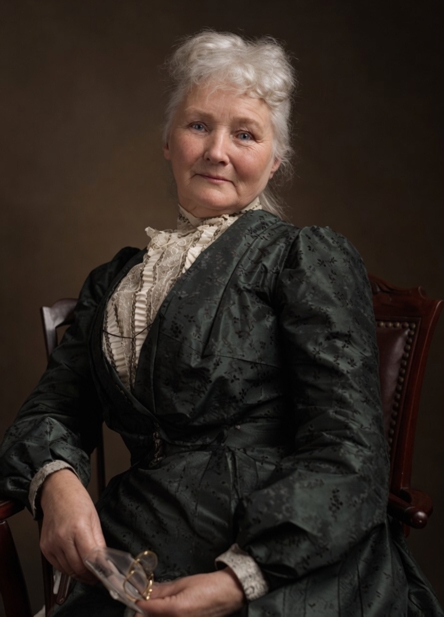
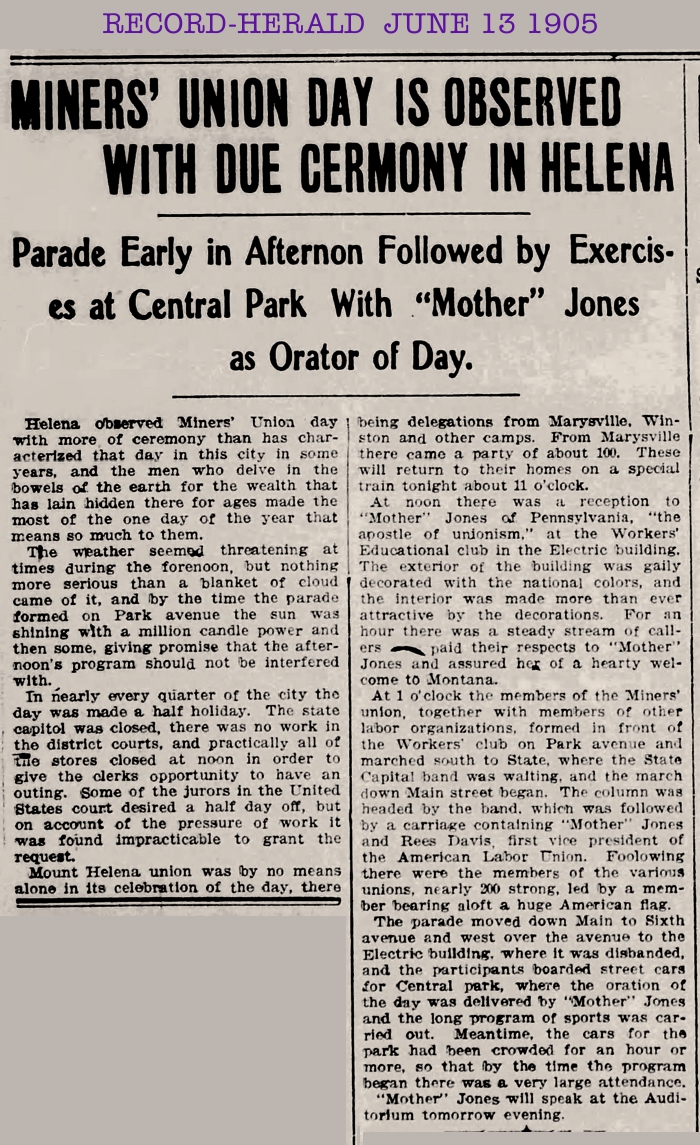
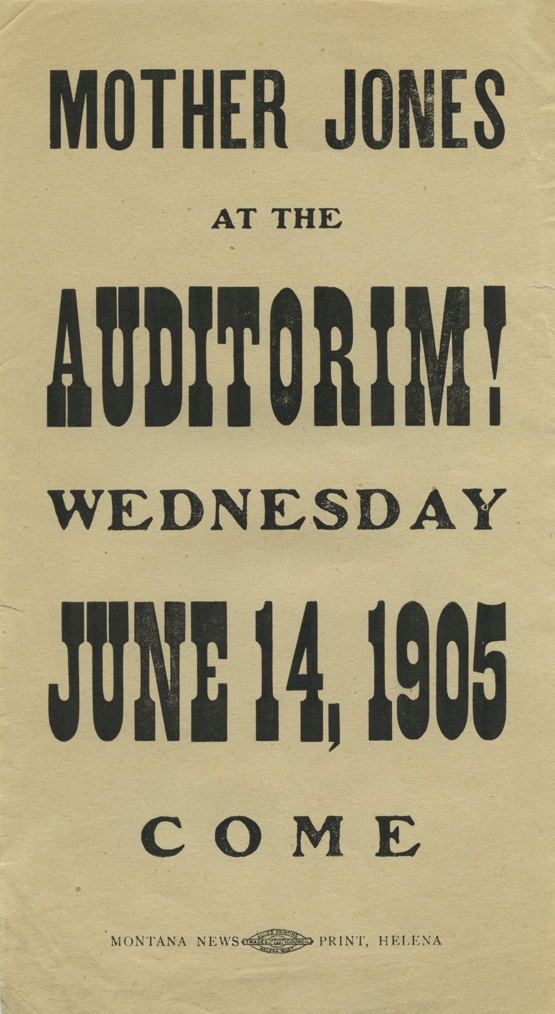
Mary G. Harris Jones (1837–1930), professionally known as Mother Jones, was a prominent Irish-born American labor organizer, socialist, and orator.
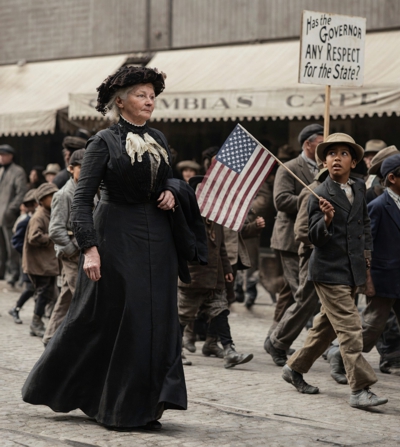
She became famous in the late 19th and early 20th centuries for mobilizing coal miners, their families, and other workers in major strikes (especially with the United Mine Workers of America), campaigning against child labor (notably the 1903 March of the Mill Children), and embodying militant working-class resistance.
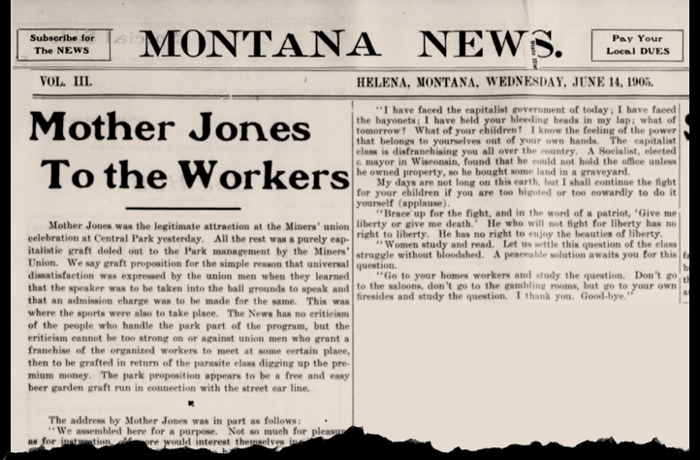
She cultivated a grandmotherly persona in a black dress and bonnet, endured arrests and bans, and inspired followers through fiery speeches like “Pray for the dead and fight like hell for the living.”
Her achievements in advancing union organizing, shorter workdays, and visibility for workers’ struggles are well-documented and substantial. However, historians have identified valid, evidence-based criticisms of her views, tactics, self-presentation, and ideological limitations. "Mother Jones" was largely a character created for propaganda purposes, not unlike today's Greta Thunberg.
Jones deliberately exaggerated her age (claiming to be born in 1830 and celebrating a “100th birthday” in 1930, when records and baptismal evidence point to 1837) to enhance her venerable “Mother”/grandmother image and moral authority with tough miners (“If me, an old woman, can risk my neck...”).
She claimed to have met 12 U.S. presidents (reality: about 4) and repeatedly asserted involvement in strikes and events she could not have attended chronologically. Her 1925 Autobiography of Mother Jones (partly ghostwritten or shaped for effect) contains myths, omissions, and selective memory; historians treat it more as inspirational propaganda than reliable history.
She was not so peaceful. Jones’s fiery oratory and presence in hotspots led to charges of conspiracy and incitement. Authorities portrayed her as an agitator whose mobilization contributed to armed standoffs, machine-gun battles, and deaths. She advocated “fight like hell” and, in context, supported armed self-defense common among miners facing company guards (Pinkertons, Baldwin-Felts agents).
While much violence stemmed from employer repression and state complicity, her role as a high-profile agitator in volatile situations escalated conflicts and invited legal repercussions.
|